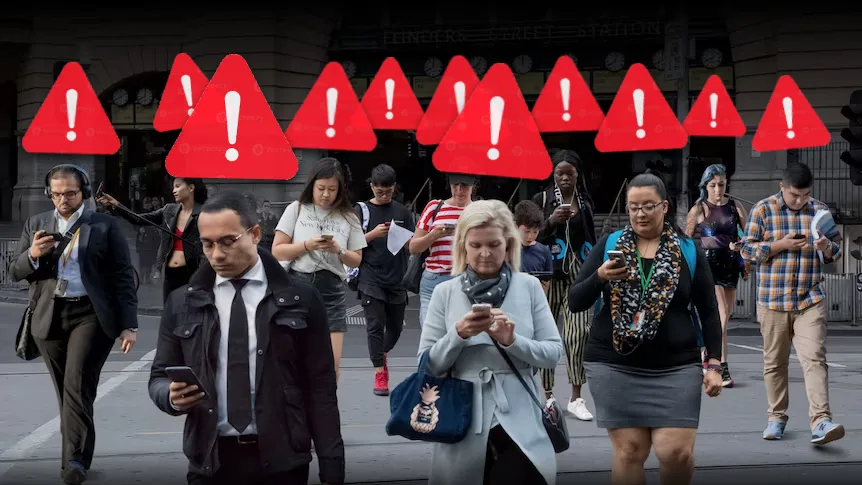
Social media has revolutionized lost pet searches, allowing you to reach thousands of people in your community within minutes. Used strategically, platforms like Facebook, Nextdoor, and Instagram can mobilize an army of volunteers to help find your missing pet.
Why Social Media Works
Social media excels at finding lost pets because:
- Information spreads quickly to thousands of local people
- Geo-targeting reaches neighbors who are most likely to spot your pet
- Photos and videos are easy to share
- Community members can share sightings in real-time
- You can coordinate search efforts with volunteers
1. Facebook: Your Primary Tool
Facebook remains the most powerful platform for finding lost pets:
Join Local Groups
- Search for "lost pets [your city/area]" groups
- Join general community groups for your neighborhood
- Join buy/sell/trade groups (they often allow lost pet posts)
- Look for groups specific to your pet’s breed
Create an Effective Post
- Start with "LOST PET ALERT" or "MISSING [DOG/CAT]" in all caps
- Include 2-3 clear photos showing different angles
- Add specific details: breed, color, size, distinctive markings
- State exact location and time last seen
- Provide your contact phone number
- Mention any medical needs or behavior (friendly/skittish)
- Include "PLEASE SHARE" to encourage spreading the word
Pro tip: Post during peak Facebook hours (7-9 AM and 6-9 PM) for maximum visibility.
Engagement Strategies
- Tag local animal shelters, rescue organizations, and vet clinics
- Ask friends to share your post on their timelines
- Update the post with new information or sightings
- Respond quickly to all comments and messages
- Thank people who share, which encourages more engagement
2. Nextdoor: Hyper-Local Networking
Nextdoor is specifically designed for neighborhood communication:
- Create a post in the "Pets & Wildlife" category
- Use the "Lost Pet" alert feature for priority placement
- Your post automatically reaches surrounding neighborhoods
- Neighbors receive notifications about lost pets
- People are more likely to check their yards/garages
Nextdoor Best Practices
- Upload multiple photos
- Mark the exact location on the map
- Update the post with sightings or search areas
- Expand to neighboring areas if needed
- Post "Thank You" and "Found" updates when reunited
3. Instagram: Visual Impact
Instagram’s visual nature makes it perfect for pet searches:
- Post clear photos to your feed and stories
- Use local hashtags: #LostPet[YourCity], #[YourCity]Pets
- Tag local pet accounts, shelters, and community pages
- Share to your story daily to keep it visible
- Use the "Swipe Up" feature (if available) to link to more info
- Ask followers to share to their stories
Photo Requirements
- Use high-resolution images (minimum 1080px wide)
- Include close-up of face and full body shots
- Show distinctive markings clearly
- Use recent photos (within last 6 months)
- Avoid filters or heavy editing
Essential Information
Every social media post must include:
- Pet’s name
- Species, breed, color, size
- Date, time, and location last seen
- Collar/tag description
- Contact phone number
- Medical needs (if any)
- Temperament (friendly/shy/scared)
Important: For scared or skittish pets, add "DO NOT CHASE, CALL IMMEDIATELY" in large text.
Create a Search Radius
- Dogs: Focus on 1-2 mile radius initially
- Cats: Start with ¼ mile radius (cats usually hide close)
- Expand gradually if no leads
Paid Promotion Options
Posts reach the people who follow you. Paid promotion reaches people chosen by where they live, which is the difference that matters when your pet is missing three streets away from someone who has never heard of you.
That is what a boost does. You pick the area around the last-seen point and how many days it should run, and the campaign is built, launched and reported on for you: how boosting a lost pet alert works.
Monitor Constantly
- Check notifications every 30 minutes
- Respond immediately to sightings or questions
- Thank everyone who shares or helps
- Provide updates on search progress
Verify Sightings
- Ask for specific details (color, markings, behavior)
- Request photos if possible
- Get exact location and time of sighting
- Respond to all leads, even questionable ones
Common Mistakes to Avoid
- Don’t post blurry or old photos
- Don’t include irrelevant personal information
- Don’t post only once, update regularly
- Don’t ignore comments or messages
- Don’t forget to post when your pet is found
- Don’t make posts too long (keep under 300 words)
When Your Pet is Found
- Post a "REUNITED!" update with a happy photo
- Thank everyone who helped and shared
- Explain where/how your pet was found (helps others)
- Delete or mark resolved any paid promotions
- Consider sharing prevention tips based on your experience
Social media’s power lies in its ability to quickly mobilize your community. By using these platforms strategically and consistently, you create a network of thousands of eyes watching for your missing pet. Combined with traditional search methods, social media can be the tool that brings your beloved companion home.
For the offline half of that, see how to make a lost pet poster that works.